
 Jesslyn Phoon
 As the end of the year draws to a close, it’s essential for HR professionals and business leaders to prepare a comprehensive “end-of-year HR checklist”. This is the best time to reflect on the past year’s successes and failures, while also looking ahead to plan for the coming year. We know you want to end the year on a high note so you can completely enjoy that Japan/Europe trip you’ve been planning for months. Alternatively, be totally present during your year-end gatherings with friends and family. So, how can you assure a smooth transition to the new year while putting your work aside? No fret! In this article, I’ll share with you how to create a comprehensive HR checklist on just how to do that!
Review Employee Performance and Plan Salary Adjustments
Case Scenario: Motivating Remote Teams
Assume you are an HR manager at a tech company with a largely remote workforce. Keeping remote employees motivated and aligned with the company’s goals has been difficult during the last year, as some employees felt a little left out. You decide to build a complete end-of-year performance assessment procedure geared to remote teams to address this issue.
The “end-of-year HR checklist” starts with an in-depth examination of employee performance:
Conducting Year-End Performance Reviews: Complete year-end performance evaluations, highlighting each employee’s strengths and areas for growth.
Setting Specific Goals: Work with said employees to develop specific, quantifiable, and attainable goals (see: SMART goals) for the following year. Ensure that these objectives are in line with the company’s objectives and individual career aspirations. P.S. At Talenox, we use OKRs instead of KPIs.
Constructive Feedback: Provide constructive feedback during performance reviews, noting accomplishments as well as areas for development.
Determine Salary Adjustments: Include bonuses (if applicable) based on company and individual performance, while factoring in market conditions and industry standards.
Tip: During your performance reviews, be sure to give compliments, not just criticism! P.S. The same goes for 360-feedback (if you’re the employee giving feedback to your boss, or from one colleague to another).
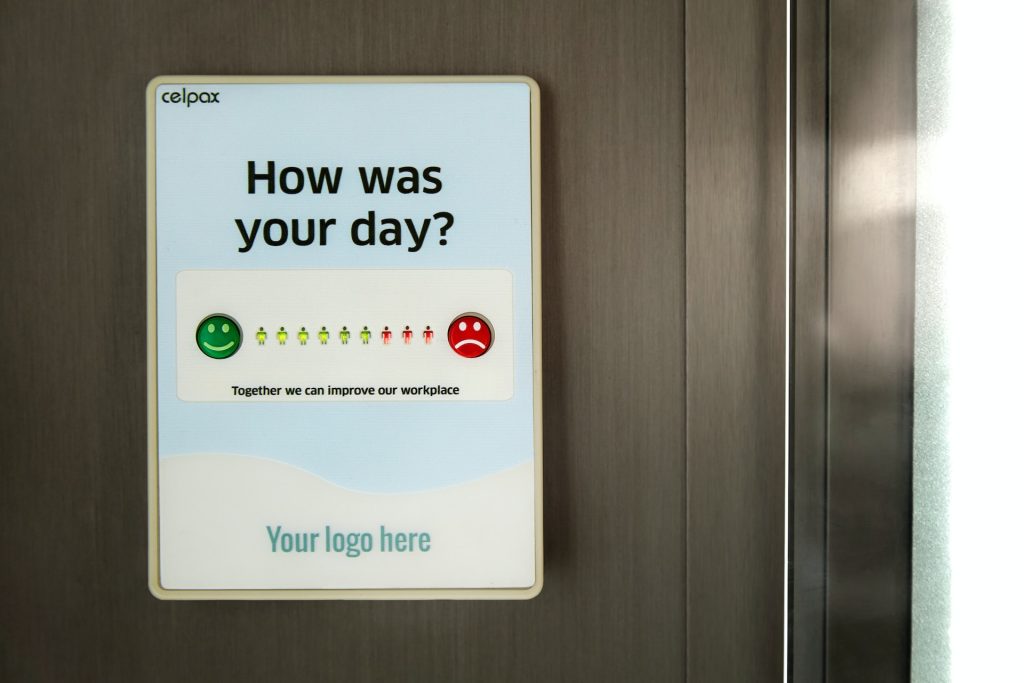
Employee Benefits Evaluation
Case Scenario: Adapting Employee Benefits to Changing Needs
You realise your employees’ needs and expectations have changed in a post-pandemic society. Perhaps the “work from home” arrangement has lost its pizzazz. That ping-pong table you bought? It’s collecting more dust than scores. HR professionals must carefully analyse and adjust benefit packages to accommodate unique employee scenarios in order to fulfil these shifting needs.
Evaluating and modifying employee benefits should be included in your HR checklist:
Benefits Audit: Examine your present company benefits to ensure they stay relevant and competitive. Consider conducting employee satisfaction surveys to obtain input on new benefits they may want to introduce.
Updating Benefits Packages: Based on the audit results and employee comments, alter your benefit packages as needed. This could include adding new perks such as mental health support or modifying existing ones. Consider refreshing your pantry items to suit new health trends as well!
Tip: When the amended benefit packages are finalised, explain these changes to employees properly during your company sharing sessions. Provide resources and assistance to employees in order for them to make educated judgements. If necessary, update your HR playbook and share it in an easily-accessible place, pinned to a Slack thread perhaps?

Compliance and Regulations
Case Scenario: Navigating Complex Labour Laws
Imagine your company appearing in the news. Good, right? Not if it’s for the wrong reasons. With the recent influx of news on labour mistreatment and “modern slavery”, it is essential to stay compliant with labour regulations in order to avoid getting into such situations. HR practitioners must learn to navigate intricate regulatory scenarios effectively, and make sure their employment contracts are updated and relevant, in line the latest labour laws.
Make sure your end-of-year HR checklist includes the following compliance items:
Reviewing Compliance Status: Conduct a thorough evaluation of HR policies and practises to ensure that your company complies with all applicable labour laws and regulations.
Staying Up to Date: Stay up to date on current changes or revisions to labour legislation by subscribing to HR blogs/newsletters, participating in HR forums, and consulting legal professionals.
HR Policies: If necessary, update your HR policies and processes to comply with the most recent legislation. Ensure that all employees are aware of these revisions and that training is provided as needed.
Tip: At Talenox, we do all these regularly as we’re ISO27001 certified (yes, part of it requires us to ensure our company has proper legal processes put in place for both new and current employees). Alternatively, make sure you’re acquainted with the respective countries’ labour laws by referring to resources such as the Ministry of Manpower (MOM) for Singapore.

Talent Acquisition and Succession Planning
Case Scenario: Preparing for Leadership Transitions
Ever thought about what happens if the manager you so rely on disappears the next day? Or what if the processes you have spent years building up has no one to uphold them when you’re gone? It’s a scary thought, but succession planning is crucial for companies to ensure a smooth transition of leadership roles and minimise operational disruptions. Just like in doing a proper handover, HR professionals must anticipate leadership scenarios and plan accordingly.
Before you leave for your vacation, ensure that you HR checklist includes the following items in talent acquisition and succession planning:
Identifying High-Potential Employees: Determine who in your company has the potential to take on leadership responsibilities in the future. Examine their abilities, competencies, and preparation.
Developing Individual Development Plans: Collaborate with selected high-potential employees to produce individualised development plans. Provide training, mentoring, and challenging assignments to prepare them for future leadership roles.
Documenting Succession Plans: Create a written record of your succession plans, including timetables and significant milestones. Make certain that these strategies are conveyed to the appropriate parties and that contingency plans are in place.
Tip: When creating your succession plan, it might be useful to schedule some one-on-ones with the shortlisted employees. What you know of them a year ago may be very different from what they are today.

Employee Engagement and Well-being
Case Scenario: Addressing Burnout and Mental Health Issues
You notice that some of your employees have been dealing with personal issues lately. Even if their personal issues “should not” (technically) interfere with their professional lives, the reality is that they frequently do. Instead of dismissing them, consider how your company might be a safe haven for them. If it’s a work-related issue, address it if it exists. Issues could be from a lack of direction, a heavy workload, or even just simply feeling a little lonely (especially from my first point above on remote workers). HR professionals must manage these difficulties effectively while taking into account a wide range of employee conditions, both personal and professional.
Here are some strategies to improve employee engagement and well-being in your HR checklist:
Offering Mental Health Resources: Make mental health resources and counselling services available. Encourage open discussion about mental health, such as having employees introduce new apps and books on mental health that they’d discovered recently. Set aside a company budget for “Health and Wellness”, making sure it is flexible enough to include mental health medical claims.
Work-Life Balance Promotion: Encourage employees to maintain a good work-life balance. To reduce burnout, consider reinstating more work-from-home days.
Yearly Team Retreats: Gather employees all over the world into a single place. If your company’s budget is a little low, consider options nearer to where the majority of employees are based out of. Combine team retreats with large-scale meetings such as “town halls” or “start-of-the-year all-hands planning”, so employees will feel engaged with the company’s vision and goals.
Tip: Employees who are grateful and feel safe in their workplace are more motivated to stay with you than those who are not.



Update Your Payroll and HR System for the New Year
Case Scenario: Ensuring Compliance with Local Regulations and Maintaining Accurate Employee Records
As the year-end approaches, it’s essential to verify that your company is compliant with local employment laws and to conduct a thorough review of employee documentation.
Here are some strategies to ensure you know what to do when updating your payroll and HR system:
-
Track Leave Balances and Plan Leave Carry-Over: Conduct a comprehensive review of employee leave balances and clearly communicate any carry-over policies for the upcoming year. For companies offering leave carry-over, set specific limits on how much leave can be carried forward and outline deadlines for utilising these days. This approach prevents scheduling conflicts and ensures employees don’t lose earned leave.
-
Update Payroll Systems and Documentation: As part of your year-end process, review and update your payroll system to reflect any salary adjustments, bonuses, or tax deductions that need to be processed. This includes ensuring that statutory contributions, like CPF (Singapore), MPF (Hong Kong), and EPF (Malaysia), are accurately recorded. Timely payroll adjustments prevent compliance issues and ensure employees receive accurate compensation.
-
Maintain Comprehensive Employee Records: Ensure that all employee files contain up-to-date records, including job titles, salaries, leave balances, and recent performance reviews. These files are critical for compliance checks and serve as a resource for structured performance evaluations and workforce planning.
- Settle All Outstanding Expense Claims Before you close the books on this year, make sure all employee expense claims are taken care of. Talenox’s Claims module helps you spot any unapproved or unpaid claims at a glance, so you can review, approve, and process them quickly. Your employees get their reimbursements, and you enter the new year with accurate, complete records.
For companies using Talenox, it’s super easy to verify that all new settings, tax forms, and statutory contributions are in place for the new year. Plus, we make it convenient to amend carry-forward leave policies in our Leave module. Give us a try.
Conclusion
As we near the end of the year, HR professionals and employers should have a well-structured “end-of-year HR checklist” ready to go. This checklist can help you ensure a seamless transition into the new year while also addressing any current problems that your company is facing. Proactive planning and meticulous attention to detail are the bedrocks of HR success, and the points indicated above lay a solid foundation for your end-of-year preparations. So, stay prepared and embrace the new year’s chances, as I wish you a smooth start to a prosperous year ahead!
Related posts:
![HR outsourcing Malaysia SME]()
Malaysian SME Growth Guide: When & How to Outsource Your HR (With Checklist)
18th Mar 2026![Singapore Budget 2026 SME Guide: Everything You Need to Know]()
Singapore Budget 2026 SME Guide: Everything You Need to Know
09th Mar 2026![employee appreciation day]()
Creative Ideas for Employee Rewards That Actually Work
02nd Mar 2026![Talenox Q4 2025 Product Updates: Built for a Smoother 2026]()
Talenox Q4 2025 Product Updates: Built for a Smoother 2026
27th Feb 2026![paternity leave shared parental leave singapore]()
2026 Update: What Changed for Paternity & Parental Leave in Singapore?
26th Feb 2026![HR outsourcing for smart SMEs singapore]()
HR Outsourcing for Small Businesses in Singapore: The Smart SME's Guide (2026)
20th Feb 2026




As we approach the end of the year and reflect on the performance of remote teams, it’s crucial to recognize all contributors accurately. I think Organizational Network Analysis (ONA) can be a game-changer here as it helps identify “quiet contributors” who are crucial yet may not be vocal, ensuring they’re acknowledged for their impact. Additionally, ONA can highlight biases in performance reviews, leading to fairer and more accurate assessments of employee contributions.
Spot-on insights, Lucia! ONA is indeed a game-changer, spotlighting “quiet contributors” and addressing biases for fair assessments. Thanks for contributing to the conversation!