 Jesslyn Phoon
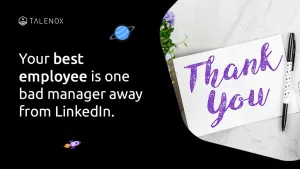
 Dear fellow employees: This one’s for us. The ones checking Slack at midnight, wondering if we’re actually making a difference, and are looking for ways to be recognised by our bosses.
If you’ve been scrolling through LinkedIn lately, you’ve probably noticed the pattern: friends switching jobs because of “toxic” workplaces, threads about quiet quitting, and multiple posts about workplace burnout. Maybe you’ve even felt it yourself – that nagging sense of invisibility at work.
You know that feeling when you’ve been crushing it at work for weeks, but nobody seems to notice? When you’re putting in extra effort, solving problems, even making sure the Nespresso pods are refilled in the pantry – but your contributions feel invisible? Or when your manager is so focused on what’s going wrong that they forget to acknowledge what’s going right?
Here’s something I discovered while chatting with a friend about her “feeling invisible at work” situation last month: even at her company of about 30 people – where you’d think everyone would notice each other’s contributions – she still felt like her efforts weren’t getting the recognition they deserved. And honestly? I hear the same thing from friends at massive corporations with hundreds of employees. Company size doesn’t seem to matter.
But here’s what I’ve noticed: the happiest, most fulfilled people I know aren’t necessarily working at companies with perfect leadership or five-star Glassdoor reviews. They’ve simply figured out how to create their own positive work experience through what they can control – their own mindset and actions.
The Grass is Greener Where You Water It
You know those colleagues who genuinely seem to enjoy their jobs and somehow always land the interesting projects? I used to think they were just lucky. Plot twist: many of them are practicing gratitude strategies that literally rewire their brains for career success.
As someone on my team recently told me, “The grass is greener where you water it.” And while I’d never encourage anyone to tolerate truly toxic situations, I’ve learned there’s real power in using science-backed strategies to reframe your perspective and make your current workplace feel… well, a little better.
Here’s what I wish more people knew: You don’t need perfect managers or a flawless company culture to start thriving professionally. Research shows that employees who practice gratitude see measurable improvements in job satisfaction and performance. This little action has a ripple effect – it improves workplace dynamics for everyone around them too.
Why This Matters for Your Career (Not Just Your Feelings)
Before we dive into the how, let’s talk about the why. Research from Gallup shows that employees who receive regular recognition are 2.7 times more likely to be highly engaged. But here’s the kicker – if your boss isn’t giving you recognition, you can start practicing it on yourself by creating that engagement internally, telling yourself that you did a good job. Maybe you could also tell your colleagues they did a good job and you’re grateful for their help – and this in turn creates a very healthy loop of recognition and gratitude.
More studies show that grateful employees perform 13% better than their peers and get promoted faster. Basically, when you practice gratitude, you’re literally rewiring your brain for success, whether your workplace culture supports it or not.
The Science Your Boss Probably Doesn’t Know About (But Should)
If you’re a science nerd like me, this next bit is going to be interesting for you.
When you experience or express gratitude at work, your brain releases a cocktail of neurotransmitters that don’t just make you feel good, they also make you perform better:
- Dopamine: Increases motivation and focus
- Serotonin: Improves mood and decision-making
- Oxytocin: Enhances collaboration and trust-building
This neurochemical boost enhances cognitive flexibility and creative problem-solving, making you the kind of employee who comes up with innovative solutions and gets noticed for the right reasons.
7 Actionable Gratitude Strategies Every Employee Can Use
1. The Strategic Thank You Method
What to do: Instead of generic “thanks,” use the SBI method – Situation, Behaviour, Impact.
Example: “Hi Darren, in yesterday’s client meeting (Situation), when you jumped in with those slides you created (Behaviour), it totally shifted the conversation and helped us close the deal (Impact). Thank you for that.”
Why it works: Specific gratitude is 40% more effective than general appreciation and makes you memorable as someone who notices and values good work.
Talenox’s tip: Send these messages within 24 hours for maximum impact.
2. The Gratitude Documentation Strategy
What to do: Keep a “wins journal” where you document three things daily:
- One thing you’re grateful for about your work
- One contribution you made that day
- One thing a colleague did well
Example entry: “Grateful for the creative freedom Gordon entrusted me with on the new product launch. The specifications listed in my Creative Brief was clear to everyone. Ben’s quick execution on the graphics was really appreciated.”
Why it works: The “three good things” strategy is both simple and well-evidenced, with its initial research published in 2005 by Martin Seligman and Chris Peterson, two major figures in the field of positive psychology. This strategy counters the hard-wired tendency we have as humans to register and remember the negative rather than the positive.
Talenox’s tip: Review your journal monthly or quarterly to identify patterns, then update your resume with specific achievements you’ve listed as “contributions” in journal.
3. The Peer Recognition Power Move
What to do: Publicly acknowledge colleagues’ contributions in team meetings, Slack channels, or email threads.
Example: In the team Slack: “Major props to @Joshua for staying up late to fix that issue.”
Why it works: Public recognition creates a positive spiral effect and positions you as a collaborative leader, even without a management title.
Talenox’s tip: Tag managers when appropriate so they see your leadership qualities in action.
4. The Manager Translation Technique
What to do: Even with difficult managers, find ways to express appreciation for opportunities, resources, or autonomy they provide.
Example: “Hey Nicholas, thanks for trusting me with the client demo. Having that visibility really helps me grow in my role.”
Why it works: This reframes the relationship positively and can gradually improve even challenging manager dynamics.
Talenox’s tip: Focus on appreciating the role/opportunity rather than personal traits, if your manager is particularly difficult.
5. The Cross-Department Alliance Builder
What to do: Send brief thank-you messages to people in other departments who make your job easier.
Example: “Hey Engineering team, just wanted to say the new rollout was really smooth on our end. Thanks for working so hard on it.”
Why it works: Builds your reputation across the company and creates advocates in unexpected places.
Talenox’s tip: Your colleagues might be your best advocates. These relationships may lead to internal opportunities and referrals.
6. The Gratitude Meeting Hack
What to do: In meetings, start by acknowledging recent wins or progress before diving into problems.
Example: “Before we dive into the details, I want to acknowledge that our NPS score has gone up this year – that’s everyone’s hard work paying off. This is looking to be a good year for us. Let’s end it well.”
Why it works: Positive meeting openers make you known as someone who brings positive energy to tough discussions.
Talenox’s tip: Take note of “good metrics” to share with the team. Make a list you can refer to at the start of every meeting.
7. The Self-Advocacy Gratitude Flip
What to do: When discussing your achievements, frame them in terms of what you’re grateful to contribute.
Example: Instead of “I completed the project early,” try “I’m grateful I could deliver this early because I know it helps the whole team stay on track for the deadline.”
Why it works: This approach highlights your achievements while demonstrating humility and team-mindedness – qualities that get people promoted.
Talenox’s tip: Use this technique in performance reviews and job interviews.
When Your Workplace Doesn’t Deserve Your Gratitude
Let’s be real – some workplaces are toxic, and practicing gratitude doesn’t mean accepting bad treatment. I’m definitely not advocating that. I know it’s hard – but here are some tips on how to protect yourself while still benefiting from gratitude practices:
Focus on Growth, Not the Company: Be grateful for skills you’re developing and connections you’re making, even if the company doesn’t deserve your loyalty.
Find Your People: It may just be one person (“Hi, work bestie”), or a few (“Hi, work fam”). Even if it’s just them, express gratitude to the colleagues who make work bearable, building a support network that can extend beyond this job.
Document Everything: Keep records of your contributions and achievements. Gratitude journaling becomes evidence of your value when it’s time to move on.
Set Boundaries: You can be grateful for opportunities while still maintaining healthy boundaries around work-life balance. Be careful not to ruminate on the difficult conversations you had at work, especially when you’re already back at home spending time with loved ones/family.
When to Level Up Your Career
As you practice these strategies, pay attention to how your workplace responds. If you’re consistently implementing gratitude practices and seeing positive results, you’re in a place worth investing in.
However, if your efforts are met with continued toxicity or indifference, you’re building the skills and network to find better opportunities elsewhere.
The beautiful thing about gratitude skills is they’re portable – they’ll serve you in any workplace, with any manager, and in any industry.
A Quick Note for Managers Reading This
If you’re a manager who stumbled upon this employee-focused article, here’s the real talk: your team is probably already implementing these gratitude strategies because they’re not getting enough recognition from leadership. Want to be better? Here’s how you can create the culture where gratitude flows both ways:
Make Recognition Specific and Timely: Instead of “good job,” try “Hey Muan, your solution to the problem saved us a good 5 hours of unnecessary work.”
Create Gratitude Rituals: Start team meetings by highlighting one person’s recent contribution. Make it a rotating practice so everyone gets spotlighted. E.g. “I just wanted to highlight that WK developed a new testing feature last week and it has really helped us prevent any unwanted issues from development to production.”
Show Appreciation Beyond Performance: Thank people for their ideas, their collaboration, their problem-solving approach – not just their results. E.g. “Hey Rachel and Danial, thanks for volunteering to test our new beta feature. Even though we can’t launch some of your suggestions in time, your feedback was so useful that it helped us catch some major bugs we wouldn’t have noticed otherwise. Maybe you can help us with our next test again.”
Be Public About Praise: Recognise achievements in company channels, team emails, or higher-up meetings where employees’ contributions get visibility.
Ask What They’re Proud Of: In one-on-ones, ask “What are you most proud of accomplishing this week?” Then build on their answers. This doesn’t have to be work-related- it can be a personal achievement as well. The main point is to show your employee you appreciate them not just for what they do at work, but for who they are.
Employees, Here Are Your Next Steps (Let’s Make It Easy)
Here’s your action plan for this week:
- Today: Send one strategic thank-you message to a colleague
- Tomorrow: Start a simple wins journal (even just notes in your phone)
- This week: Try the meeting hack once
- By Friday: Reach out to someone in another department
Remember: You don’t need permission from your boss to start practicing workplace gratitude. You don’t need a perfect company culture. You just need to start where you are, with what you have, and watch how it transforms not just your work experience, but your entire career trajectory.
The science is clear: grateful employees advance faster, collaborate better, and find more satisfaction in their work. The question isn’t whether gratitude works – it’s whether you’re ready to give yourself a chance to experience it and see how it helps in your career growth.
Your future self (and your career) will thank you for starting today.
Related posts:
![Singapore Budget 2026 SME Guide: Everything You Need to Know]()
Singapore Budget 2026 SME Guide: Everything You Need to Know
09th Mar 2026![employee appreciation day]()
Creative Ideas for Employee Rewards That Actually Work
02nd Mar 2026![Talenox Q4 2025 Product Updates: Built for a Smoother 2026]()
Talenox Q4 2025 Product Updates: Built for a Smoother 2026
27th Feb 2026![paternity leave shared parental leave singapore]()
2026 Update: What Changed for Paternity & Parental Leave in Singapore?
26th Feb 2026![HR outsourcing for smart SMEs singapore]()
HR Outsourcing for Small Businesses in Singapore: The Smart SME's Guide (2026)
20th Feb 2026![cross-border hong kong china]()
Cross-Border Payroll: How to Manage Hong Kong and China Teams with HR Outsourcing
03rd Feb 2026